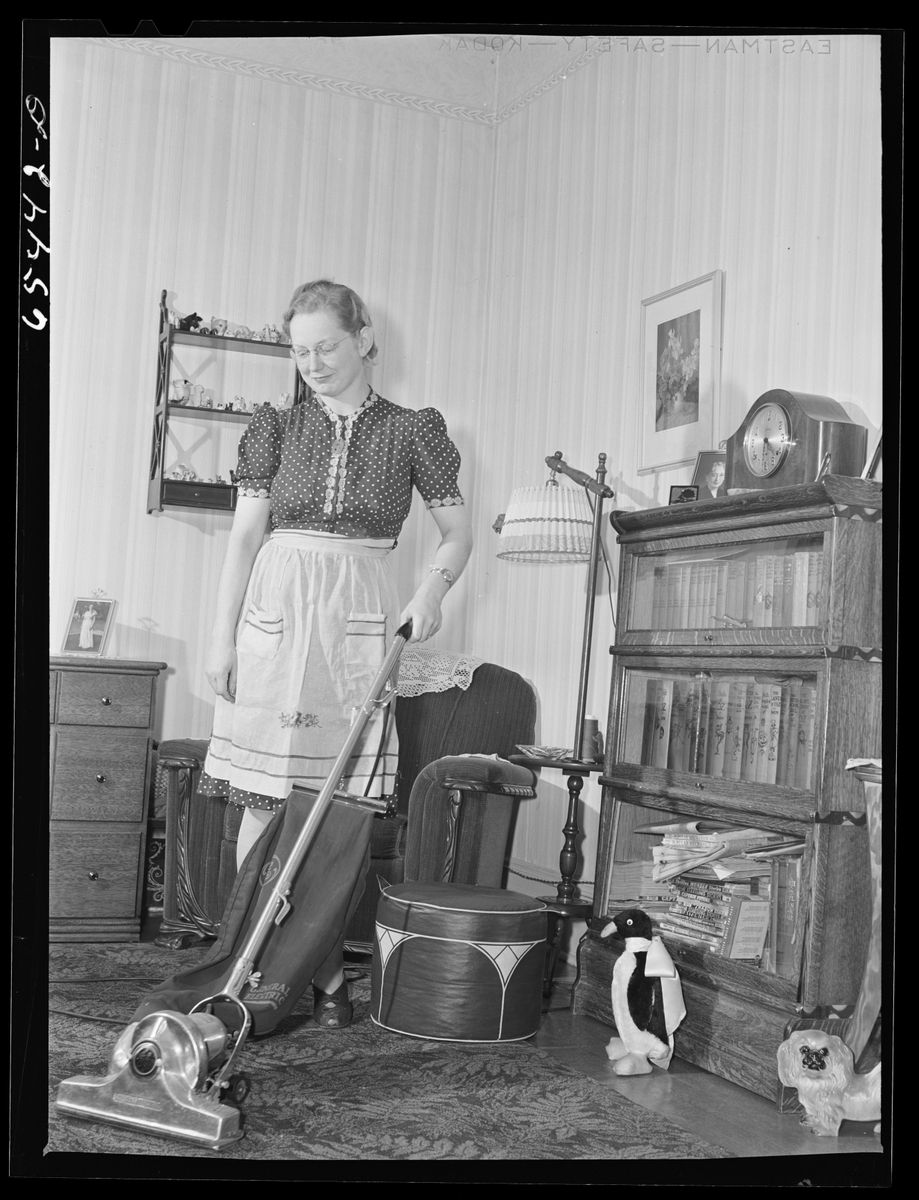
Most people think a vacuum has one job: pick up dirt.
If the crumbs disappear, the carpet looks better, and the canister fills with something vaguely horrifying, the vacuum must be working. That seems reasonable, but it misses the part of vacuuming that matters most.
A vacuum is not just a cleaning tool. It’s an air-moving machine. Every time you turn it on, it pulls air, dust, pet dander, pollen, fibers, and microscopic debris through the machine. In a well-designed vacuum, those particles are captured and kept inside. In a poorly sealed or poorly filtered vacuum, some of the smallest particles can be sent right back into the room, which means the floor may look cleaner while the air quietly gets worse. A vacuum cleaning your floor and a vacuum making your home dustier can look exactly the same while you’re using them.
This is one reason people sometimes feel like dust returns almost immediately after cleaning. Sometimes the problem is poor filtration. Sometimes it’s a clogged filter, a worn seal, a full bag, a cracked hose, or a machine that was designed to advertise power more effectively than it contains particles. Either way, the machine collects the larger debris while the finest particles escape, which is not cleaning so much as a change of address for the dust.
When most people shop for a vacuum, filtration isn’t usually the first thing they think about. We tend to look at suction, attachments, whether it’s cordless, how easy it is to empty, and whether the marketing makes it feel like we’re buying a small household spaceship. The less glamorous question is the one that matters most:
Where does the dust go?
Good suction matters, but suction without containment is only doing part of the job. A vacuum needs strong filtration, a sealed system, and enough maintenance to keep those components working properly.
HEPA filtration and a sealed system are not the same thing. A HEPA filter captures the fine particles that pass through it. A sealed system makes sure the air actually passes through it. Plenty of vacuums wear a HEPA sticker while leaking unfiltered air around the filter at the seams and gaskets, which is a bit like installing a security door and leaving the windows open.
The phrase you want is “fully sealed HEPA system.” It’s less fun than a digital display. It’s also the whole point of the machine.
This becomes especially important in homes with pets, allergies, asthma, older carpeting, or simply a lot of daily activity. In those homes, vacuuming isn’t just about appearance. Every time the vacuum runs, you’re deciding whether those particles leave the home or continue circulating through it, quietly shaping.
The frustrating part is that filtration is difficult to market because it doesn’t create a dramatic moment. It doesn’t foam, sparkle, glow, or announce itself with a satisfying before-and-after video. A well-sealed vacuum housing has never trended. It just works invisibly, which is the worst possible marketing.
When most of us vacuum, we focus on what disappears: the crumbs, the pet hair, and the dirt we can see. The better question is what happens next.
Where does the dust go?
A good vacuum removes it from the home.
A bad one gives it a new address.