IKEA says 38 percent of us leave things out hoping someone else will deal with them. They call it a protest. I think it's a test, and the other person doesn't know they're taking it.
I have a notebook problem. It isn't critical. More chronic. I have notebooks in drawers, on shelves, beside my bed, in my bag. Some have a purpose. Most began with one.
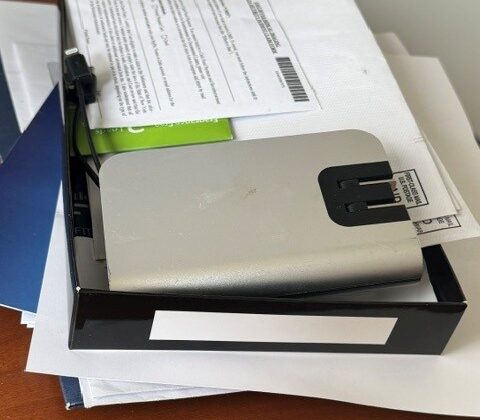
There can be three sweaters on a chair and I barely notice them. One empty box in the hallway, and suddenly it has a personality. Some messes are louder than others, and it has almost nothing to do with size.
Somewhere along the way, cleaning stopped being household maintenance and became evidence of who we are. It isn't. Here's what a house can actually tell you, and what it can't.
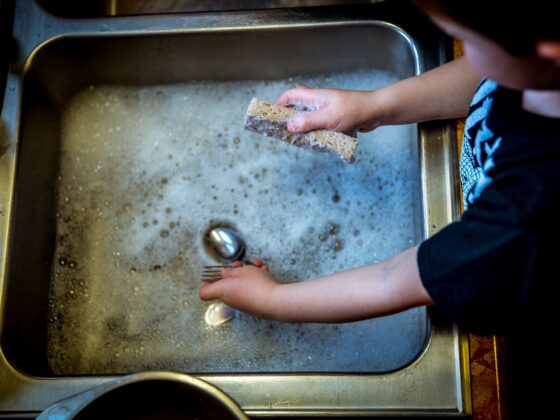
Your kitchen sponge is probably one of the dirtiest things in your house. Microwave it, boil it, soak it — the honest answer is less satisfying than the rescue plans suggest. You can't really redeem a sponge. You can only replace it.
I pulled a shirt out of the wash that smelled clean. At least it did until I put it on. Twenty minutes later, it didn't. What followed was a full-scale investigation into a single shirt.
We vacuum until the crumbs and pet hair disappear. But the carpet can look clean while still holding dust, pollen, and dander, and the most important results are the ones you can't see.
Sometimes the exhaustion isn't your schedule or your inbox — it's your house. A look at how a cluttered home quietly drains your brain, and why clearing a surface can feel like exhaling.