You can’t see air quality, which is part of the problem. Nobody walks into a room and says, “Wow. The particulate matter in here is really hitting today.”
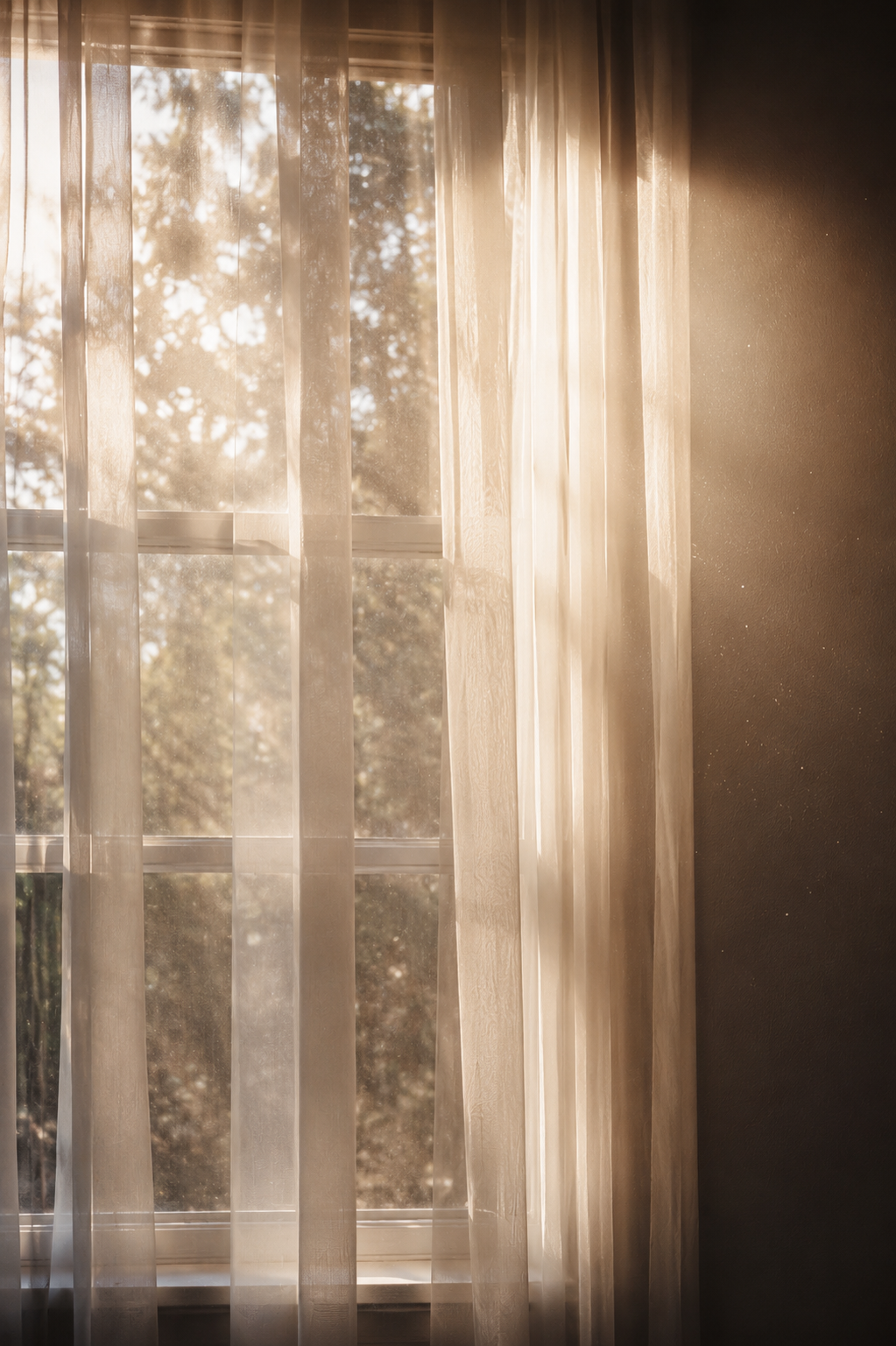
But you do notice when a house feels heavy. You notice when you wake up congested, when the dust comes back two days after cleaning, when your bedroom smells vaguely tired. You notice when sunlight cuts across the room and suddenly the air looks like it’s hosting a glitter convention for dust particles.
And considering the EPA estimates most of us spend about 90% of our time indoors, the air inside your home matters more than the air outside more often than you’d think.
Which is mildly unsettling when you remember the average home is basically a sealed container full of dust, pet dander, cooking particles, and whatever exploded inside your vacuum last Tuesday.
Modern homes are especially good at trapping air. Energy efficient? Fantastic. Fresh? Not so much.
The Weird Thing About “Clean”
A house can look spotless and still have lousy air quality.
You can wipe counters until they reflect the ceiling fan and still have dirty HVAC filters, layers of dust inside vents, stale airflow, overloaded carpets, excess humidity, and scented products coating the air.
Sometimes the “clean smell” people chase is actually the opposite of fresh air. A lot of heavily scented products don’t remove anything. They just spray a perfumed curtain over the problem and hope nobody asks questions.
Like putting cologne on a gym sock and calling it fresh.
Dust Is Tiny. But It’s Not Innocent.
Dust isn’t just dirt. It’s a whole chaotic cocktail of skin cells, outdoor particles, fibers, bacteria, allergens, and microscopic debris from whatever your house has been shedding lately.
And the smaller the particles are, the longer they float and the deeper they travel into your lungs. Which is why some homes feel dusty no matter how often people clean.
Sometimes it’s not a cleaning frequency problem. Sometimes it’s poor airflow, clogged filters, too much clutter, old carpeting, humidity issues, neglected fabrics, or a vacuum that’s basically redistributing dust with confidence.
Your house is breathing all day long.
The Sneaky Air Quality Villains
Candles can be part of the problem, yes, even the expensive ones. Burning anything indoors creates particles, so moderation matters more than the price tag.
Dirty vacuum filters are another sneaky offender. A vacuum with a clogged filter can turn into a dust cannon wearing a helpful disguise.
Over-fragranced cleaning products can also make things worse. Some products create that “clean” smell by flooding the air with synthetic fragrance. Fresh air actually smells like almost nothing, which feels suspicious at first because we’ve all been trained to expect clean to make an entrance.
Humidity matters, too. Too much humidity invites mold and mildew. Too little makes the air feel dry and irritating. The sweet spot is usually around 40% to 50%.
The Biggest Air Quality Upgrade Most People Ignore
Cleaning fabrics. Not just floors.
Fabrics are particle magnets pretending to be décor. Rugs, curtains, upholstered furniture, bedding, throw pillows, and pet beds all hold onto dust like emotional baggage.
That’s why homes often feel dramatically fresher after deep cleaning textiles, even when nothing visibly changed.
Opening Windows Helps. Usually.
Fresh outdoor air can help dilute indoor pollutants. There’s actually a term for this in Germany: lüften. The practice of intentionally airing out your home, even in winter.
The internet renamed it “house burping,” which sounds less like European wellness culture and more like your colonial home just finished a Diet Coke.
Your home spends all day holding onto cooking smells, cleaning residue, moisture, dust, pet funk, and whatever mysterious hallway smell appears for no clear reason. Opening the windows gives all that trapped air somewhere to go.
Unless wildfire smoke is rolling through, pollen counts are brutal, or the air outside is genuinely worse than what’s inside. Then maybe keep the windows closed and let your filtration systems do the heavy lifting.
Air Purifiers: Worth It?
Sometimes yes, especially for allergies, asthma, pets, urban environments, older homes, and homes with poor airflow.
But an air purifier can’t compensate for a house that’s quietly generating dust faster than you remove it. Change your HVAC filter more often than you think you need to.
The best air quality comes from layers: cleaning, ventilation, filtration, humidity control, and reducing pollutants at the source. Not from one magical gadget blessed by TikTok.
The Goal Isn’t Sterile
A healthy home shouldn’t feel like a laboratory. It should feel breathable, comfortable, and clear.
You experience a house with your lungs first.