Have you ever stopped to think about how strange windows are? Not windows themselves, exactly, but the expectation we have for them.
A countertop can have a few crumbs on it. A floor can survive a little dust. A bookshelf can go weeks without anyone noticing the thin gray layer settling over the top. But a window? One fingerprint and suddenly we’re offended. A single streak catches the afternoon sun and it becomes all we can see.
Nobody expects their walls to be transparent. Nobody spends Saturday afternoon trying to make their refrigerator disappear. Yet somehow we’ve collectively agreed that a window has failed if we can tell it’s there.
Think about the language we use: spotless, invisible. The highest compliment we can pay a window is that it ceases to exist.
Which raises a question: who decided that?
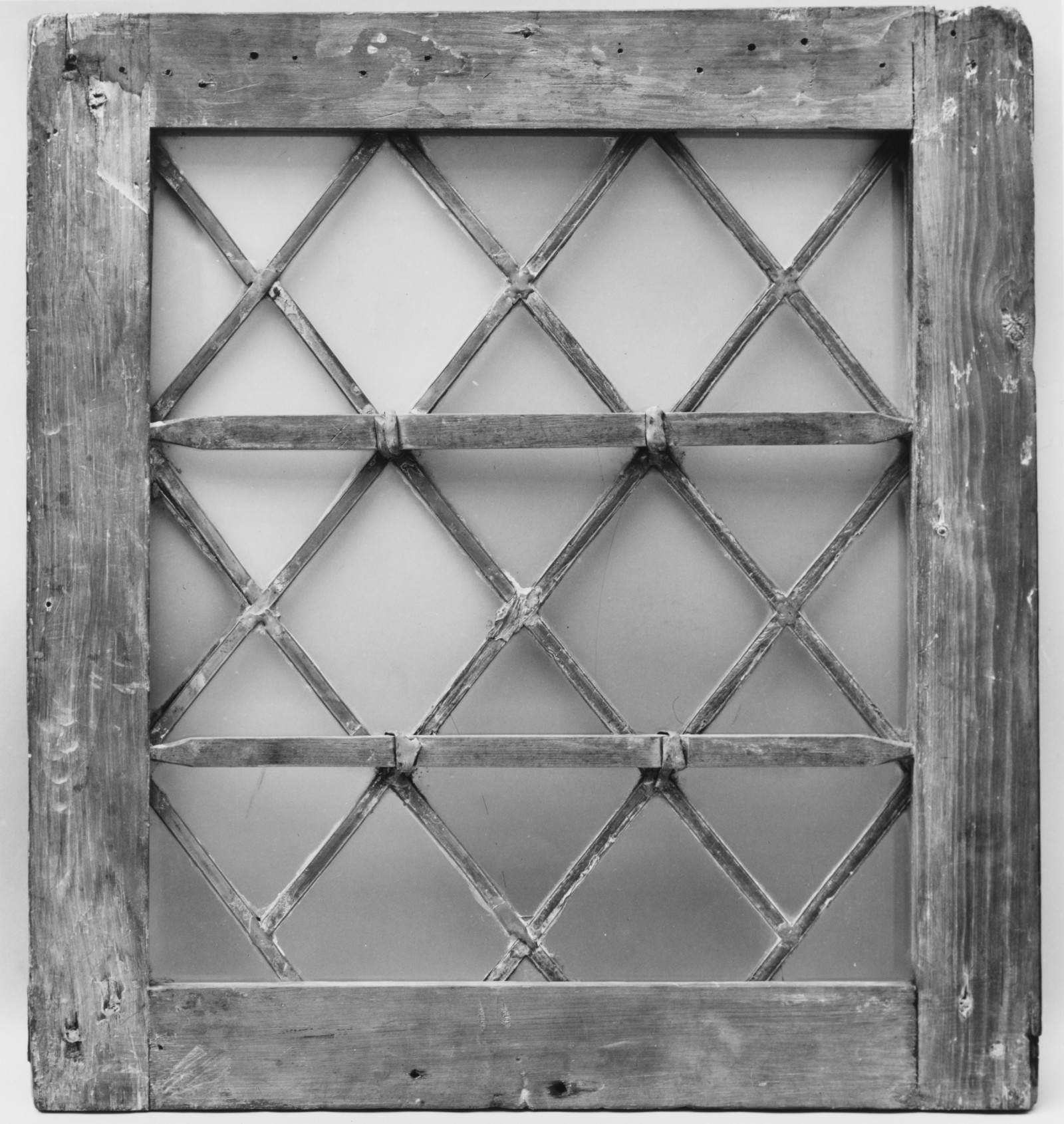
For most of human history, windows weren’t crystal clear. The earliest glass windows were wavy, bubbly, distorted, and expensive. Looking through them was a little like looking through the bottom of an old drinking glass. Even centuries later, window glass often bent light in odd ways, creating ripples and imperfections that people accepted as normal.
Nobody was standing in a seventeenth-century cottage complaining about a streak on the dining room window.
The window itself was already a streak.
What changed wasn’t just the glass. It was our expectations. As manufacturing improved, windows became flatter, clearer, and larger. Eventually, we stopped seeing windows as objects and started seeing them as portals. The better the glass became, the less we wanted to notice it.
Once a window becomes a portal, any smudge feels like an interruption. A dirty floor is a dirty floor. A dirty window is a disruption between you and the world beyond it.
Maybe that’s why people clean windows even when nobody else would notice. The reward isn’t really cleanliness. It’s clarity. A freshly cleaned window doesn’t add anything. It removes something: a barrier, a haze, the reminder that you’re looking through glass at all.
Dirty windows don’t interrupt the glass. They interrupt the view.
For thousands of years, a hole in the wall that kept the rain out was the whole achievement.
Today, we’re annoyed if a window isn’t nearly invisible.