Some rooms are messy. Some rooms are exhausting. The interesting thing is that those are not always the same rooms.
In Your Home Might Be Giving You Decision Fatigue, I suggested a simple question:
What in this room asks something from me every time I see it?
It’s a useful question because most people don’t actually want a cleaner house. They want their house to stop billing them.
Small invoices arriving all day: find this, decide that, deal with the other thing.
Most people look at a room and immediately notice what looks messy, but mess and friction are not the same thing. A novel on the coffee table may not bother you at all. A blanket over the arm of the couch may simply look like evidence that somebody lives there. Even a laundry basket can feel perfectly neutral if you’ve already decided when you’re going to deal with it.
Friction is different. It comes from the things that reopen an unresolved conversation every time you see them: the return package by the door, the lamp with the burned-out bulb, the drawer that sticks, the shirt that needs a button, the pile of papers that requires a decision every time you walk past it.
Before you clean anything, walk into a room and stand there for a minute.
Leave the dishes alone. Leave the shoes by the door. Leave the stack of mail that’s been sitting on the counter long enough to qualify as a household member. The point of the audit is not to start fixing the room. It’s to notice what your home is quietly asking from you before you’ve had a chance to answer.
This is why a clean room can feel exhausting: the exhaustion isn’t coming from dirt, it’s coming from unfinished decisions. Kitchens are often full of this kind of friction because they are working rooms, not showrooms. People assume kitchen stress comes from dishes or crumbs, and sometimes it does, but often the real problem is the cabinet that sends plastic containers tumbling every time it’s opened, the water bottle situation that never quite has a solution, or the counter that has become a layover for objects headed somewhere else. The kitchen may be functioning, technically, while still making ordinary life harder than it needs to be.
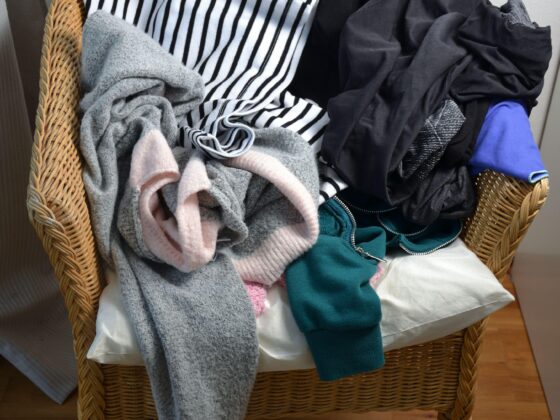
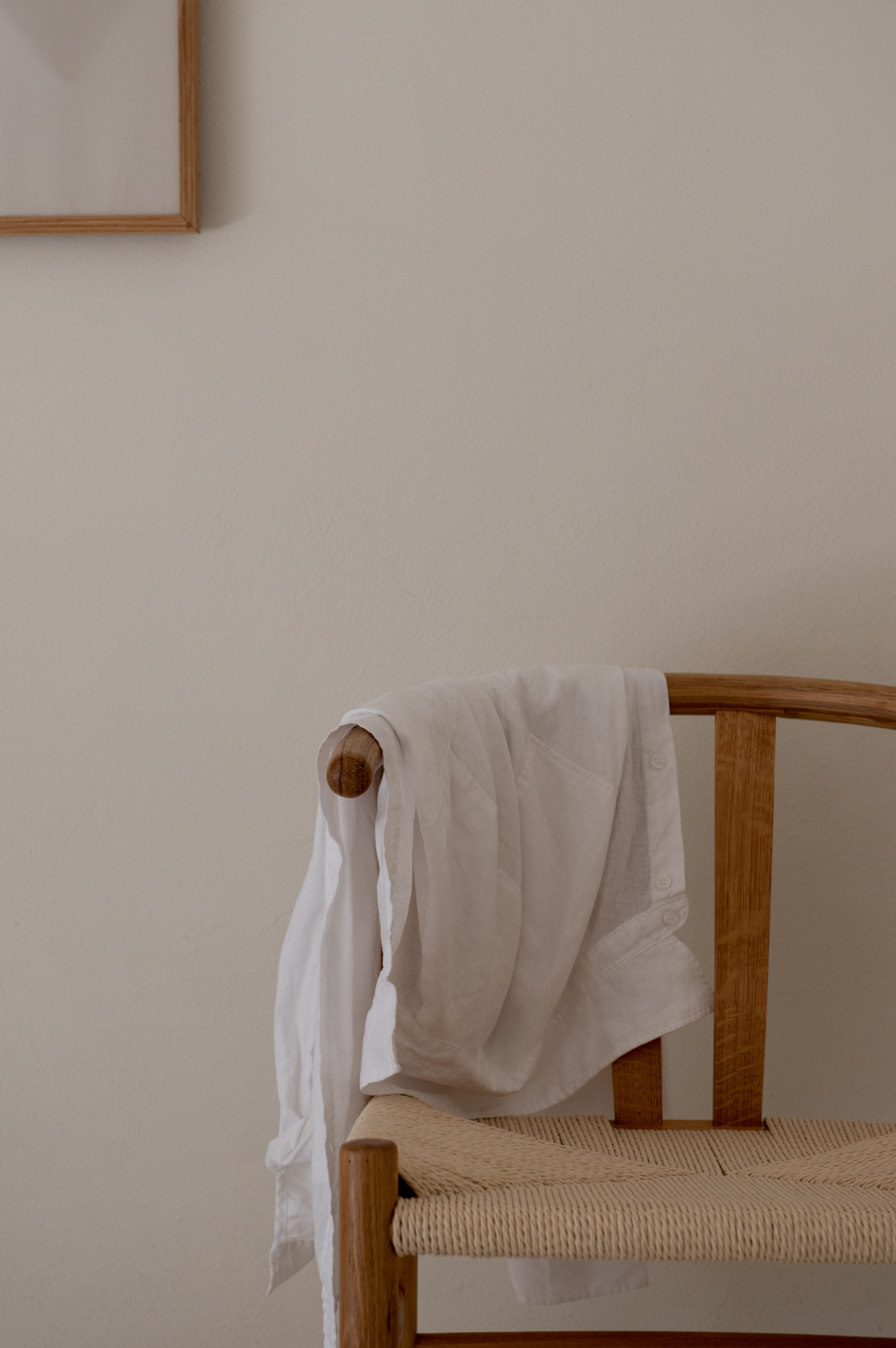
Bedrooms create a quieter version of the same problem. A closet that requires shifting six things to reach the seventh. A drawer that jams just enough to annoy you but not enough to make you fix it. A chair holding clothes that are neither fully clean nor truly dirty, which means they remain under daily review like tiny textile applicants awaiting a decision. None of this is serious enough to force action, which is exactly why it stays.
What makes friction difficult to notice is that it rarely announces itself. We tend to imagine that relief arrives through major projects: a weekend of organizing, a new storage system, a complete garage overhaul. Meanwhile, some of the biggest friction points in a home are surprisingly small. One shelf. One drawer. One object. One decision that has been quietly waiting for resolution for months.
The goal of a friction audit is not to identify everything that’s wrong with your house. It’s to discover which parts of your home are charging a mental toll. Once you’ve identified them, resist the urge to tackle everything at once. Pick one unresolved conversation and finish it. Return the package. Replace the bulb. Donate the thing you’ve already decided you don’t want. Make the decision you’ve been postponing.
Then notice the room again.
Most of the time, the difference isn’t visual. The room doesn’t suddenly look transformed, and nobody else may notice what changed. What changes is the relationship between you and the space. One source of drag is gone. One request for attention has fallen silent.
A lot of people think they want a more organized home, but what they often want is a home that asks a little less from them.