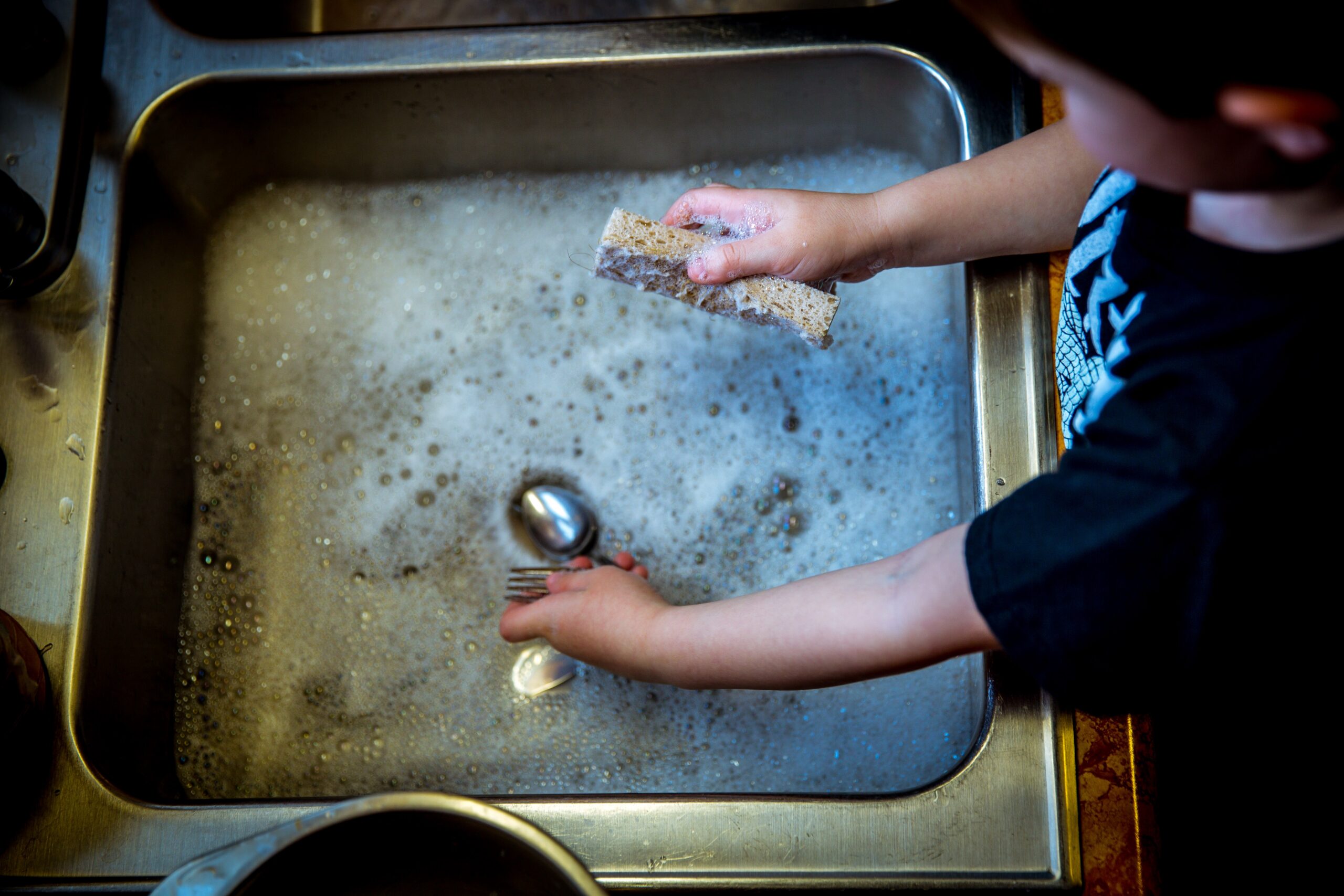
Your kitchen sponge is probably one of the dirtiest things in your house. Studies have found that used kitchen sponges can carry more bacteria than a toilet seat, which sounds shocking right up until you think about what a sponge actually does all day.
It collects food particles. It stays damp. It sits in a warm room. Then it waits patiently for its next meal. If you were designing ideal housing for bacteria, you would invent a sponge.
Most people know this on some level, which is why an entire category of sponge advice exists. Microwave it. Boil it. Soak it. Sanitize it. Rescue it from the consequences of its own lifestyle choices. Unfortunately, the honest answer is less satisfying: you can’t really redeem a sponge. You can only replace it.
A German research team that sequenced used kitchen sponges found bacterial densities rivaling anything in the house. The sponges their owners regularly sanitized weren’t meaningfully better off; if anything, the cleaning attempts seemed to favor the hardier species that survived them. That is the part nobody wants to hear, because replacing something feels less clever than saving it.
But a sponge is not a restoration project. It is a disposable cleaning tool that spends its life absorbing food, water, and whatever was just wiped off the counter. At a certain point, the question is not whether you can make it clean enough. The question is why you are negotiating with a rectangle of old sink foam.
If your sponge smells, replace it. If it’s falling apart, replace it. If you can’t remember when you started using it, replace it. Boring advice, I know. But boring works.
The cleaning world is full of elaborate rescue plans for tired sponges. Meanwhile, the most effective solution costs a few dollars and takes ten seconds. Your sponge is the rare cleaning tool that gets dirtier every time it does its job. At some point, you don’t need a better cleaning method. You need a new sponge.