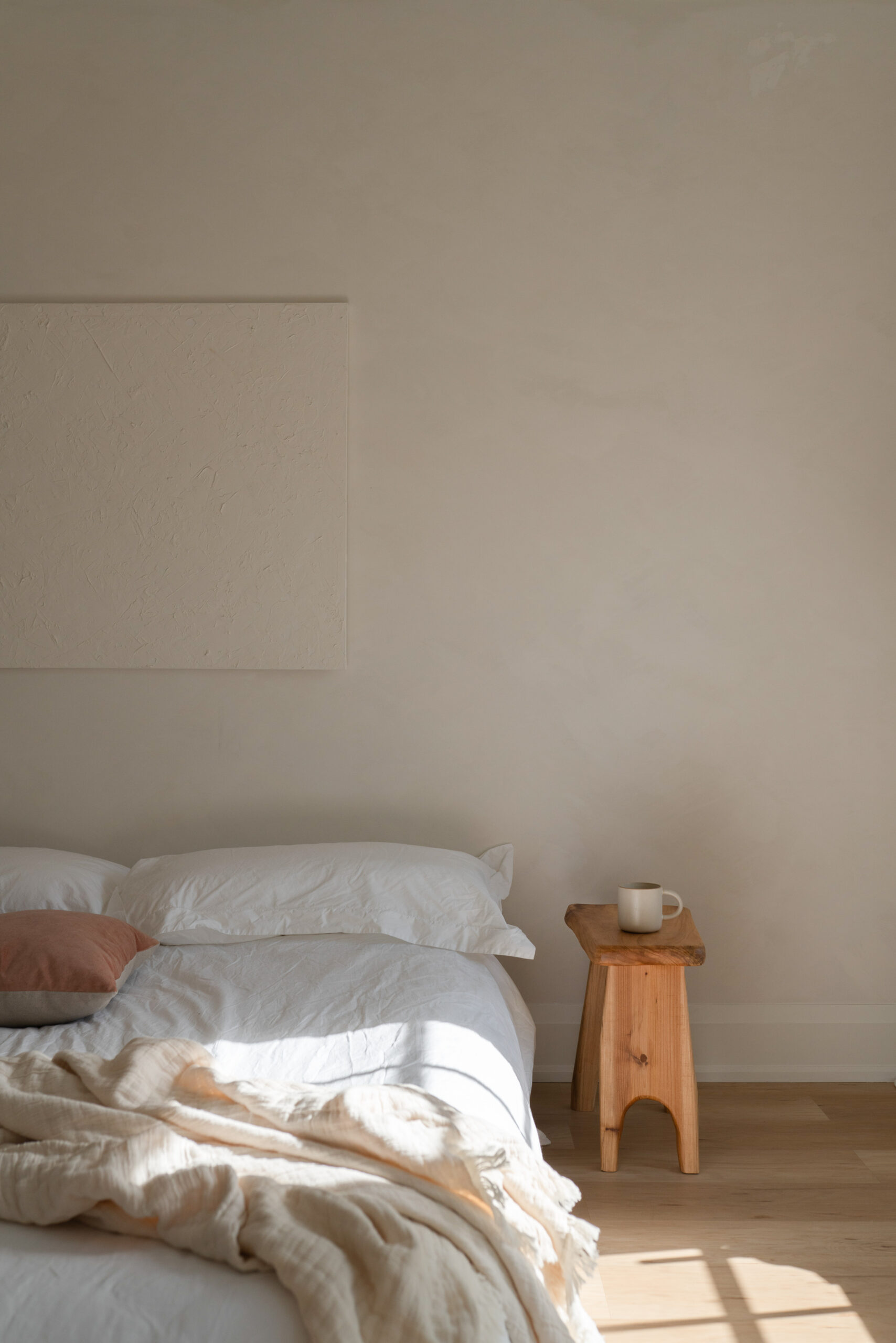
You spend roughly a third of your life in one room, and for most of that time, you’re asleep.
Your body, however, is not off duty. While you sleep, muscles recover, hormones regulate, memories are sorted and stored, and your immune system gets to work. Your brain also clears away metabolic waste through what researchers call the glymphatic system, which does much of its housekeeping while you sleep.
Sleep is not passive. It’s one of the most active forms of recovery we have.
That helps explain why sleep has become one of the biggest wellness topics of the past decade. People track it, optimize it, measure it, and discuss it with an enthusiasm once reserved for diets and exercise. Entire industries have emerged to help us sleep better: supplements, gadgets, apps, sleep scores, blue-light glasses, white-noise machines, cooling mattresses, weighted blankets, and an astonishing number of products that promise to improve something our grandparents mostly handled by getting tired.
What gets surprisingly little attention is the room where all of this is taking place.
We spend enormous energy trying to improve our sleep with better routines, better products, better data, and better bedtime discipline. But sleep doesn’t happen in a vacuum. It happens in a room. It happens in air. It happens on fabric. It happens in an atmosphere that can either support the process or quietly work against it.
That’s why I think the bedroom may be the most overlooked room in the house when it comes to healthkeeping. We tend to think of cleaning as something that affects appearances. The bedroom reminds us that cleaning can affect more than how a room looks. It can affect how a room functions.
Consider how much fabric exists in the average bedroom. Sheets, pillowcases, blankets, comforters, curtains, upholstered headboards, area rugs, clothing, and decorative pillows that seem to multiply whenever no one is watching. Fabric is very good at collecting the things floating through a home: dust, pollen, pet dander, skin cells, and all the ordinary debris of daily life. Some of it stays put. Some of it doesn’t.
Every night, you spend hours with your face pressed against one of those fabrics.
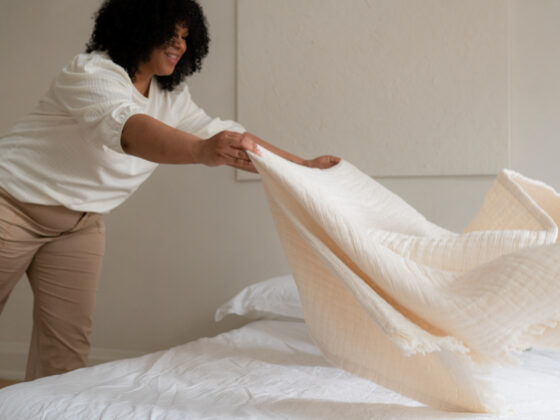
Fresh sheets feel good for a reason. A clean pillowcase isn’t just a cosmetic upgrade. It’s part of the environment your body experiences for seven or eight hours every night. It’s one of the simplest forms of healthkeeping, and also one of the most easily postponed, because sheets rarely look urgent. They don’t beep. They don’t send a notification. They just quietly become less fresh until your body notices before your eyes do.
After thirty years inside other people’s homes, I’ve learned that the bedrooms people think are clean aren’t always the bedrooms that feel the freshest. Usually, the difference isn’t what you see. It’s what’s closest to where you sleep.
That includes the space around the bed itself. I’ve seen bedrooms that looked perfectly clean from the doorway, then pulled a vacuum out from under the bed carrying the gray, felted weight of dust that had been building there for years. Professional cleaners treat under the bed as a real surface, not a storage void, because it sits inches below where you sleep.
The mattress deserves a mention as well, largely because most of us would rather not think about it. Mattresses absorb years of ordinary human existence: sweat, skin cells, dust, and whatever else accumulates through repeated use. Many people spend more time cleaning the inside of their coffee maker than the surface they spend thousands of hours lying on each year, which is understandable, because coffee is emotionally urgent and mattresses are deeply inconvenient. Still, the mattress is part of the room’s infrastructure. Ignoring it does not make it less involved.
None of this is an argument for perfection. It’s an argument for noticing.
The wellness conversation often focuses on what we put into our bodies: the food, the supplements, the water, the caffeine, the wine we pretend isn’t affecting our sleep because it was very nice wine. But health is also shaped by what surrounds us. Your bedroom is not just a backdrop for sleep. It is part of the process.
A lot of healthkeeping looks surprisingly ordinary. It looks like fresh sheets, cleaner air, less dust under the bed, and paying attention to parts of the room that rarely demand attention for themselves. It looks like remembering that the places we ignore still participate in how a home feels.
None of those things will generate an impressive sleep score screenshot. They won’t look dramatic on Instagram. They won’t arrive in a sleek box with a charging cord and a tiny instruction booklet written by someone who has never met a human.
But they may help create something more valuable: a bedroom that actually supports the reason you’re there.
We spend a lot of time trying to improve our sleep.
Sometimes it’s worth improving the room that’s been working the night shift.



1 comment
Very well written and true!