We’ve built an entire culture around health while mostly ignoring the environment where health actually unfolds. People buy supplements that cost more than their electric bill while sleeping in rooms full of dust, stale air, pet dander, clutter stress, and mystery crumbs that predate several life decisions. We track hydration with apps, then forget to wash the reusable straw.
I keep thinking we need a better word for what we’re actually doing when we take care of our homes: healthkeeping.
Healthkeeping lives at the intersection of three things we usually keep in separate boxes. Healthcare protects and restores our health. Housecleaning is the physical work of removing dirt, dust, germs, and grime. Housekeeping is the ongoing care that keeps a home running. Healthkeeping is what happens when you stop treating those as separate: the condition of your home affects how you feel, function, and live, every single day.
Not because cleaning turns your house into a hospital. Nobody wants that. A home should smell like life: coffee, fresh sheets, something good in the oven. Not stale air, old cooking odors, or a vague sense of surrender. But so many of the things we do to care for our health happen quietly inside the home, and almost none of them look like “wellness” in the glossy, performative sense.
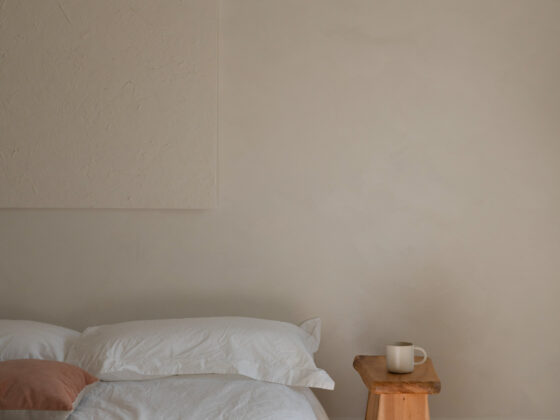
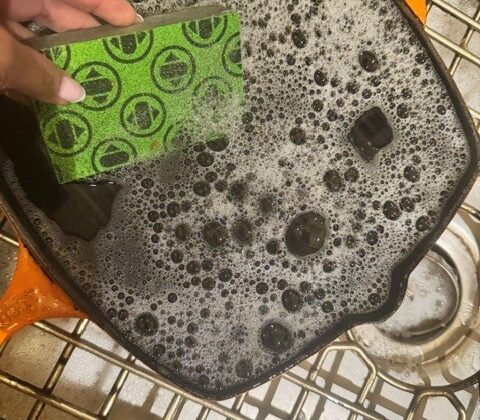
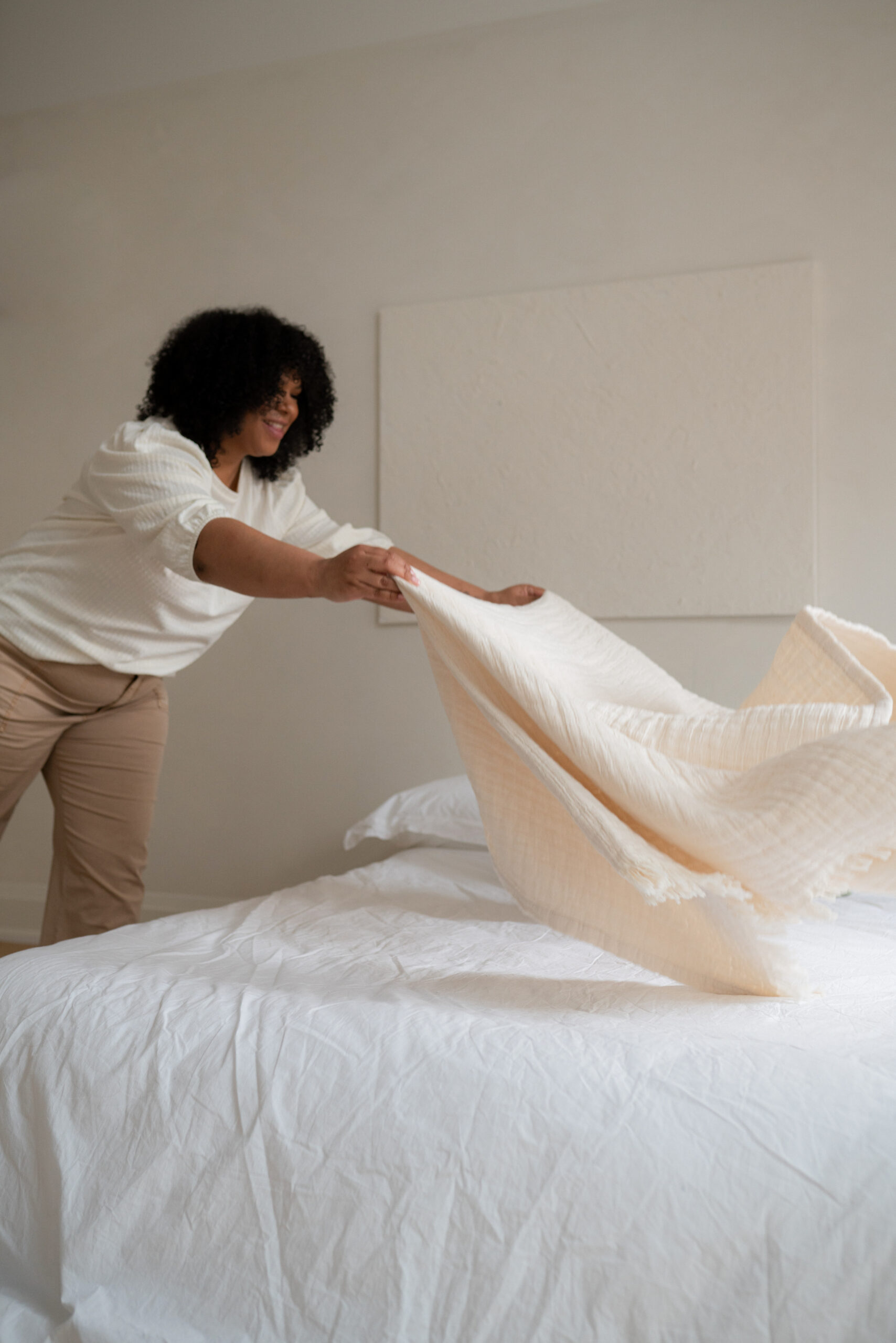
Healthkeeping is changing the sheets before allergy season starts body-slamming your sinuses. It’s vacuuming the dust that’s been camping out behind the bed like it signed a lease. It’s washing the water bottle that’s become a biological research project, opening the windows after cooking, replacing the sponge, cleaning the remote control everyone touches but nobody claims. It’s noticing the bathroom fan sounds like a lawn mower full of gravel because it’s choking on lint.
Healthkeeping lives in the small acts that make your body feel better without demanding applause.
The home is the operating system underneath everything else. Sleep happens there. Recovery happens there. Stress happens there. Immune systems do their nightly repair jobs there. Relationships happen there too, which means tension, resentment, overload, and burnout show up there too.
A neglected home has a strange psychological gravity to it. Not because anyone’s lazy or failing at adulthood, but because visual chaos quietly taxes the brain all day long. Every pile becomes a browser tab your nervous system keeps open. That’s why cleaning is never just cleaning. It’s environmental care, mental care, physical care.
And unlike most of modern wellness culture, healthkeeping is refreshingly unglamorous. No one’s posting about disinfecting the kitchen trash lid. No influencer is whispering about the transformative power of wiping fingerprints off the fridge. Yet these things genuinely affect daily life. Cleaner air helps people breathe easier. Clean sheets improve sleep. Less clutter reduces friction and stress.
Older generations often understood this instinctively. Cleaning wasn’t framed as punishment. It was upkeep. Care. Stewardship. Then somewhere along the way we started treating it like the world’s worst side quest, something boring, low-status, or endlessly postponable.
But if food prep is health care, and sleep is health care, and exercise is health care, then maintaining the environment where all of those things happen probably matters too.
Sometimes healthkeeping looks ambitious: deep cleaning the mattress, tackling the vents, finally dealing with the science experiment in the back of the refrigerator. Sometimes it’s smaller: running the dishwasher before bed, clearing one counter, putting fresh towels out, refusing to let the house start freelancing.
Health is rarely built from one dramatic decision. It’s built through repeated care. Small acts, repeated over time.
And honestly, maybe that’s what cleaning has been all along.