Every refrigerator contains at least one object purchased for the person we meant to be.
A bundle of herbs for the dinner we planned to cook. A container of berries bought during a burst of nutritional optimism. A wedge of cheese saved for some future occasion apparently important enough to require cheese, but not important enough to put on the calendar.
Then there are the leftovers we fully intended to eat, the vegetables we promised ourselves we would roast, and the jar of something special that has survived three apartment moves because nobody is sure what it is supposed to taste like.
None of this is food waste when it goes in. It enters as a plan.
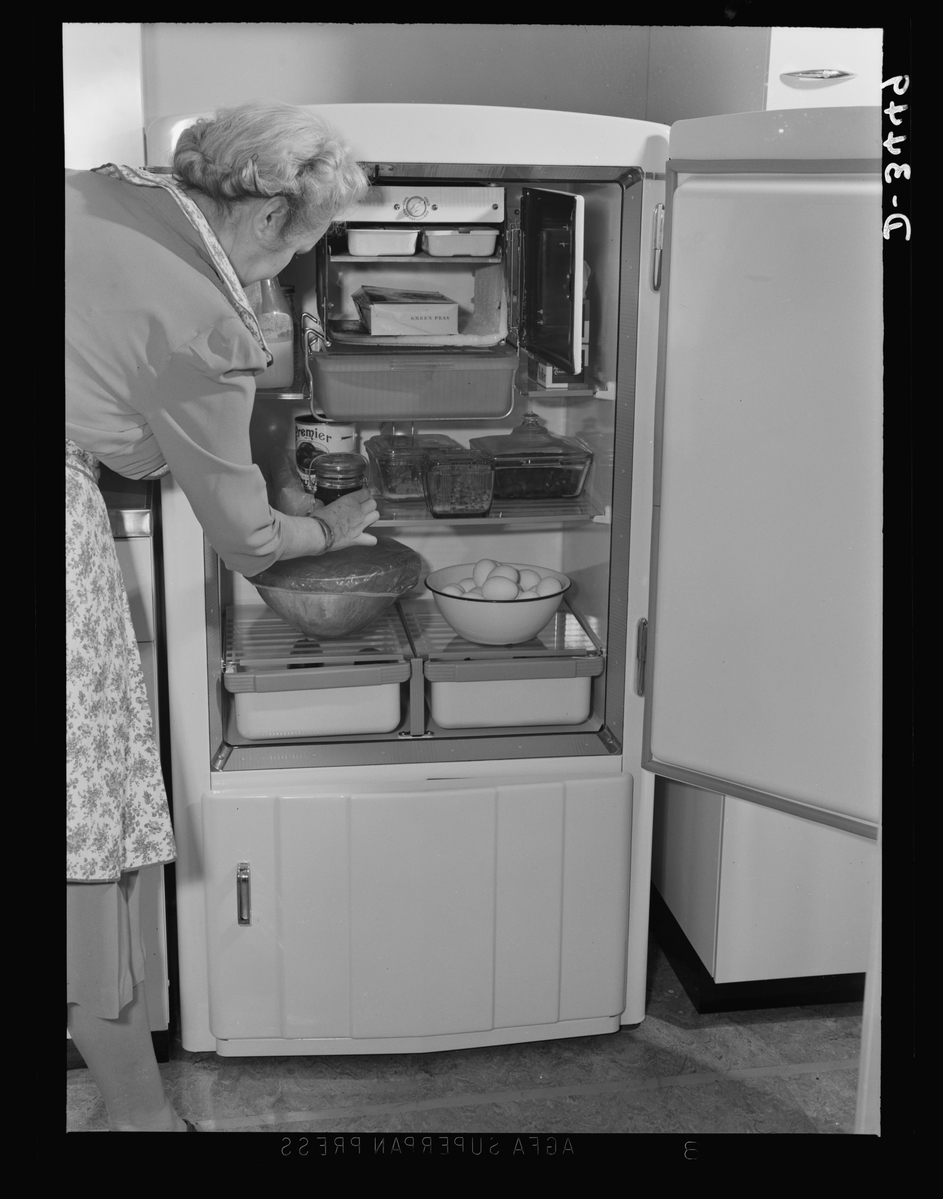
That is what makes the refrigerator less like a storage appliance and more like a museum of good intentions.
Every shelf tells a story
The top shelf holds the things we can see and therefore have some chance of remembering. The back holds the things that have quietly left active society.
The door is an archive of condiments collected for recipes we made once. There is mustard for sandwiches, mustard for marinades, and mustard bought because the label looked convincing. Somewhere nearby is a sauce we loved at a restaurant and have not known what to do with since.
The crisper drawer is where ambition goes to become compost. We buy vegetables because we want to be people who eat vegetables, then place them in an opaque drawer designed to remove them from both sight and memory.
I have done this myself. I have bought parsley with a clear and specific purpose, used six sprigs, and then acted surprised when the rest turned into green lace at the bottom of the drawer.
The refrigerator does not create these habits. It simply preserves the evidence.
We shop for our imagined week
Most of us do not grocery shop only for the life we are living. We shop for the week we hope to have.
In that week, we cook dinner instead of ordering it. We pack lunches. We remember the spinach. We turn the avocados at precisely the right moment between rock and pudding.
Then the real week arrives. Someone works late. Plans change. The chicken is still frozen. The lettuce requires more emotional commitment than expected.
The refrigerator fills with ingredients waiting for the version of us who had the original idea.
This is why food waste is not always about carelessness. Sometimes it is the space between our imagined routines and our actual ones. We buy for seven ambitious dinners when we reliably cook four. We save leftovers because throwing them away immediately feels wasteful, even when we already know we will not eat them.
The intention was real. The appetite was not.
Leftovers enter a strange legal category
Leftovers begin with status. They are tomorrow’s lunch. They are proof that we cooked. They are money already spent and therefore too valuable to discard.
For the first day or two, they are food.
Then something changes. The container gets pushed behind the milk. Nobody remembers exactly when it was made. It is still technically ours, but no longer under active consideration.
Eventually, opening the lid feels less like choosing lunch and more like conducting an investigation.
This is where the refrigerator becomes a waiting room for decisions we do not want to make. We are not saving the food because we plan to eat it. We are postponing the moment when we admit we will not.
The container stays because keeping it feels less wasteful than throwing it away, even though its future has already been decided.
The cold does not stop time
A refrigerator slows spoilage. It does not grant immortality.
That sounds obvious, but the cold creates a reassuring distance between us and what is happening inside. Food looks suspended. The door closes, the light goes out, and everything appears to wait politely.
Meanwhile, berries soften, herbs wilt, leftovers age, and moisture gathers in places we do not notice until something leaks.
The refrigerator is also full of tiny climates. The door warms every time it opens. The back may be much colder. Crisper drawers hold moisture. Containers trap condensation. One lonely cucumber can become surprisingly influential if given enough time.
This is why refrigerator cleaning is rarely just about wiping shelves. It is about noticing what has been living there without a current reason.
Cleaning it means making decisions
The hardest part of cleaning a refrigerator is not the scrubbing. It is the editing.
Is this still good? Will anyone eat it? Why do we own four open jars of salsa? Does this sauce belong to a meal we are actually going to make, or to a fantasy involving more energy and cilantro?
A crowded refrigerator can look abundant while making it harder to see what is actually available. Food disappears behind food. New groceries move in front of old ones. We buy duplicates because the original item has vanished into the collection.
Then we discover three half-used containers of sour cream and feel betrayed by a system we built ourselves.
The refrigerator should make food feel possible. Instead, it can become a collection of unresolved inventory, full of ingredients, leftovers, and plans that no longer belong to the week we are having.
The museum needs rotating exhibits
The refrigerator will never be free of good intentions, and it probably should not be. Buying food is an act of optimism. We are always making small bets on the person we will be later in the week.
The trick is not to stop planning. It is to notice when the exhibit has ended.
Some things will become dinner. Some will become tomorrow’s lunch. Others will remain evidence of a perfectly reasonable plan that never met the right Tuesday.
The refrigerator does not need to become a display case of perfect organization. It just needs to stop preserving plans that no longer belong to us.
Because most of what gets thrown away did not begin as neglect.
It began as dinner.