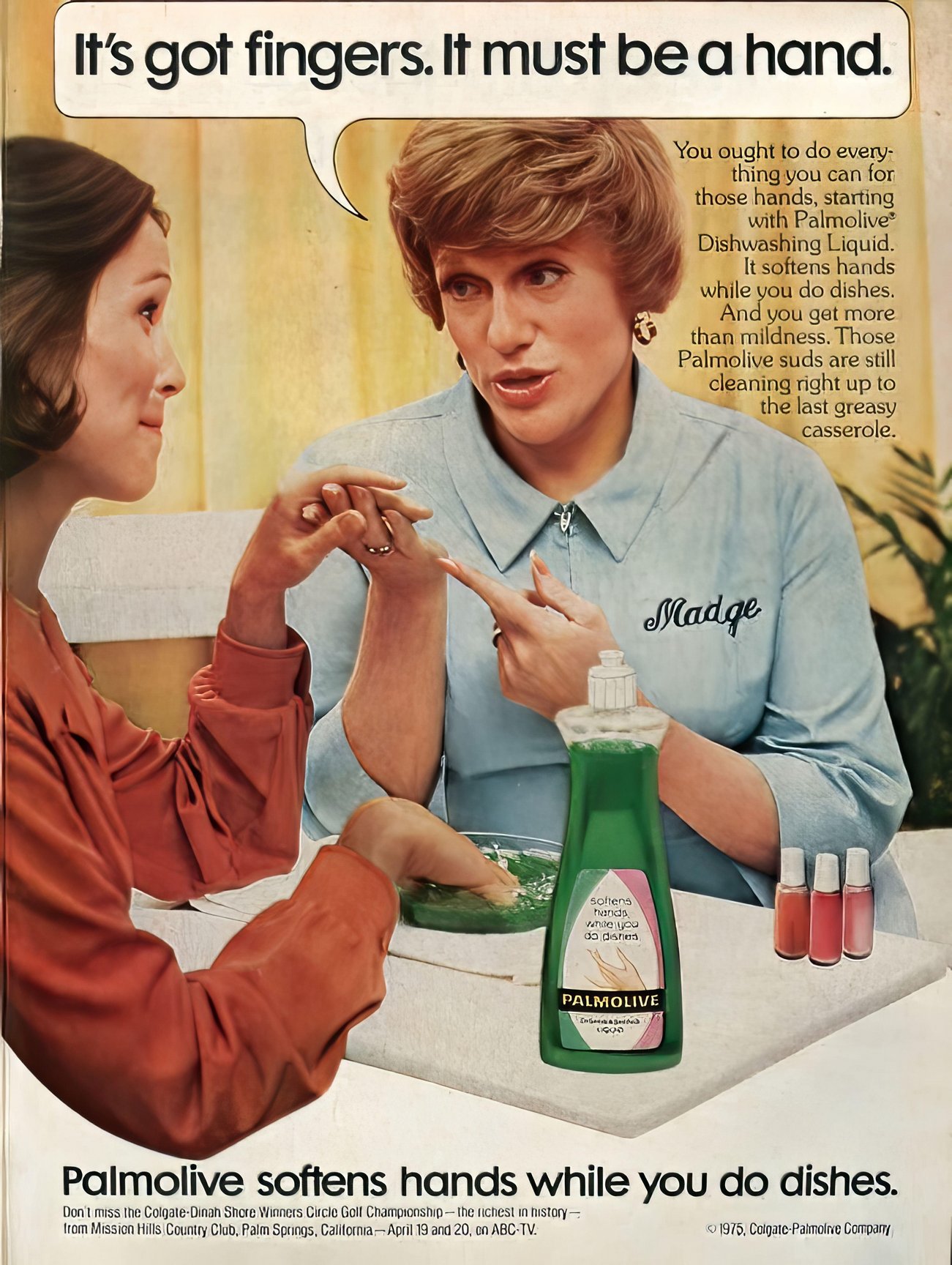
Big Scrub wants to sell you a separate product for every tiny cleaning problem in your kitchen.
A degreaser for the stove. A spray for the cabinets. A special bottle for the range hood. Something “advanced” for the backsplash, preferably with a label that suggests grease is an enemy combatant.
Meanwhile, dish soap sits quietly by the sink.
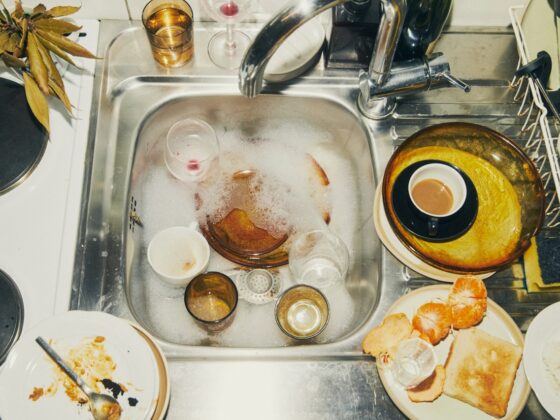
Most people think of it as the stuff you squirt on a sponge before facing the dinner dishes. Which is true. It’s also probably the best grease cutter in your house.
That’s not an accident.
Dish soap was designed to remove cooking oils and grease while being gentle enough for your hands. That’s harder than it sounds, because the grease on your pan and the oils in your skin are the same chemical family: anything that strips one wants to strip the other. How dish soap pulls that off is a story for another article.
Dish soap for cleaning, not just for dishes. Same bottle, wider job. A few drops mixed with warm water can handle an impressive amount of everyday kitchen grime: cabinet fronts, stovetops, range hoods, backsplashes, and the sticky film that slowly appears anywhere near where food is cooked. In many situations, the exciting specialty product is simply doing a job that dish soap has been doing without fanfare for decades.
This is not an argument that dish soap cleans everything.
It doesn’t.
Dish soap handles grease, not germs. It won’t solve every cleaning problem, and it shouldn’t be used on every surface. Natural stone, for example, has its own rules.
There’s also one mistake people make with it all the time: using too much.
More soap does not mean more clean. Soap residue attracts dirt. Use less than you think.
It knows exactly what job it’s there to do.
The cleaning aisle is crowded with products that promise to change your life. Dish soap promises to remove grease.
Funny how often it’s the one that keeps its promise.



1 comment
A really useful piece of information and fun to read!