By Robin Murphy
Move something that hasn’t moved in a while and your house will show you a ghost.
Take down a picture that’s been hanging for years and the wall behind it may be a slightly different color. Shift a piece of furniture and there’s the outline of where it used to sit. Pick up the soap dispenser and discover the little circle underneath has been living a completely different life from the rest of the bathroom counter.
These aren’t exactly messes. They’re records.
A house keeps track of what happens inside it. The places we touch. The routes we walk. Where water splashes. Where cooking grease travels. Which doors get opened constantly and which ones barely move. Where the dog presses his nose against the window because apparently whatever is happening in the backyard requires ongoing surveillance.
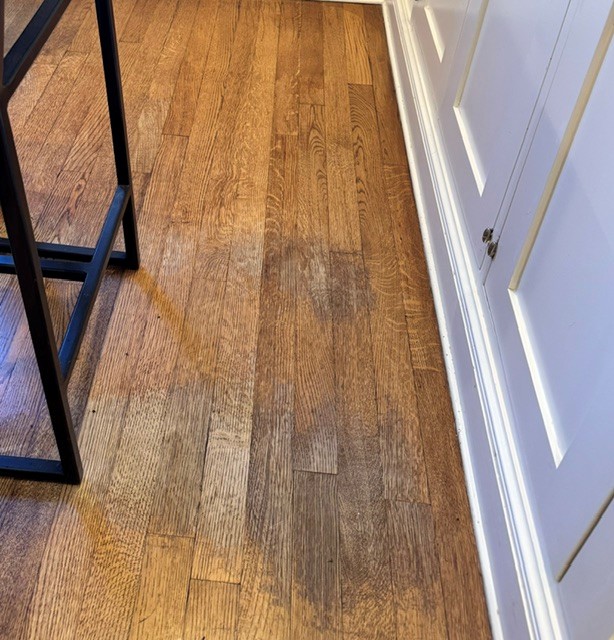
Most of these records are created through repetition. One hand on a banister doesn’t change the finish. Thousands eventually can. One chair pulled away from the kitchen table leaves nothing behind. Years of dragging it across the same patch of floor may. One evening of cooking doesn’t create that faint film above the stove. Dinner after dinner after dinner does.
The house keeps the pattern.
And here’s the part I find interesting: it records affection and neglect exactly the same way. There’s no separate filing system.
The worn place on a stair tread might exist because generations of people climbed those stairs every day. The flattened cushion on the sofa might be there because it’s somebody’s favorite place to sit. The nose prints on the window mark precisely where the dog likes to monitor neighborhood affairs.
Then there’s the other evidence. The mineral buildup around a faucet that drips. The darkening grout where moisture lingers. Grease that slowly settles onto the cabinets near the stove. Dust in the strip behind a piece of furniture that hasn’t moved in years.
Physically, the process isn’t all that different. Something happens in the same place, again and again, and eventually the material records it. The house doesn’t know that one mark makes you sentimental and another makes you reach for a cleaning cloth. It just keeps the evidence.
That’s what makes wear in a home so complicated. Some of it is exactly what we spend time trying to prevent. We protect floors, wipe cabinets, remove buildup, wash walls, clean grout, polish fixtures. We want the materials in our homes to hold up.
But some of the marks we’d never want to erase.
A height mark inside a closet door. The faint indentation where a crib once stood.
Scratches on the floor from the dog who is no longer there.
The section of a wooden table rubbed smoother because the same arms rested there through hundreds of meals.
The material doesn’t distinguish between these things. We do.
And the record isn’t limited to wear. A house also documents behavior with surprising accuracy.
We may decide the backpacks belong on hooks in the mudroom. The scuffed wall beside the kitchen door may reveal where they actually land. We may arrange a beautiful chair in the bedroom as a place to sit. The house understands that its true position within the household organization chart is Clothing Management Headquarters.
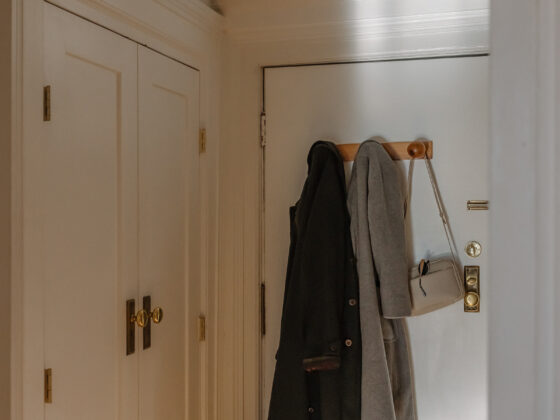
We may install storage near the front door because that’s where we imagine shoes will come off. The floor knows everyone kicks them off three feet earlier. The bathroom counter knows which side of the sink gets used most. The kitchen knows which cabinet everyone reaches for. The refrigerator door knows where hands grab it. The sofa knows who sits where.
There’s the house we design, and then there’s the house we actually use. Over time, the second one writes itself over the first. The house is a terrible liar.
That doesn’t make the original plan wrong. It just means people have habits, preferences, shortcuts, routines, favorite spots, and a spectacular ability to turn almost any available horizontal surface into temporary storage. A room can tell you an enormous amount about the life happening inside it without anyone saying a word: where people gather, what gets touched constantly, what never moves, what’s wearing out, and what’s simply wearing in.
That last distinction may exist entirely in the story we attach to the mark. The worn stair says people went up and down it. The grease above the stove says people cooked. The scratched floor says chairs moved. The nose prints say the dog stood there.
We decide which evidence means the house was loved, which means it was neglected, which belongs in a photograph, and which needs to come off with a sponge. The house makes no such distinction. It simply records what actually happened.