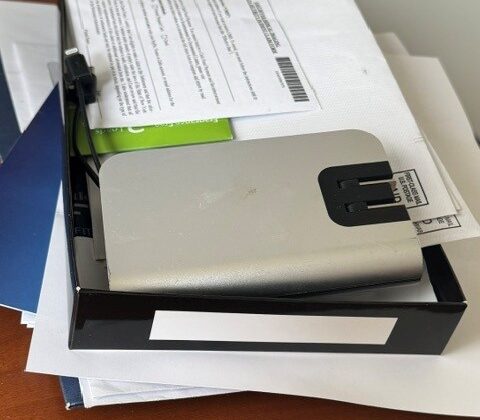
There can be three sweaters draped over a chair and I barely notice them. Put one empty Amazon box in the middle of the hallway, though, and suddenly it has a personality.
It’s in the way. It needs something from me. I’ve now walked past it six times, and every time my brain quietly reopens the file: Box. Still there.
This is one of the stranger things about mess. The amount of stuff doesn’t always determine how messy a room feels. Some messes barely register. Others walk into the room carrying cymbals.
So why does one pile fade into the background while another seems to nag you every time you see it?
Part of it is that some messes come with homework. A stack of mail is really a stack of postponed decisions, which is a different kind of weight than dust. I’ve written about that difference before, in The Emotional Difference Between Tidy and Clean.
But decisions aren’t the whole story. Plenty of mess asks nothing of you and still refuses to be ignored.
Where mess sits matters more than how much there is
Mess gets louder when it interferes with what a space is supposed to do.
A basket of toys in the corner of a family room may not bother you much. Put those same toys across the staircase and suddenly they become an obstacle course. A few papers on the dining table are one thing until you want to eat dinner there. Shoes by the door become much more noticeable when you have to weave around them every time you leave the house.
This is why removing four things from a kitchen counter can change the entire feeling of the room even if the rest of the house is exactly the same. The counter gets its job back.
That’s a useful way to look at any room: What is this space supposed to help me do?
Cook. Sleep. Shower. Work. Relax. Get out the door.
When clutter starts competing with what the space is for, it gets hard to ignore.
Your eyes like somewhere to land
There’s also a visual difference between a room that contains a lot of things and a room where everything is competing for attention.
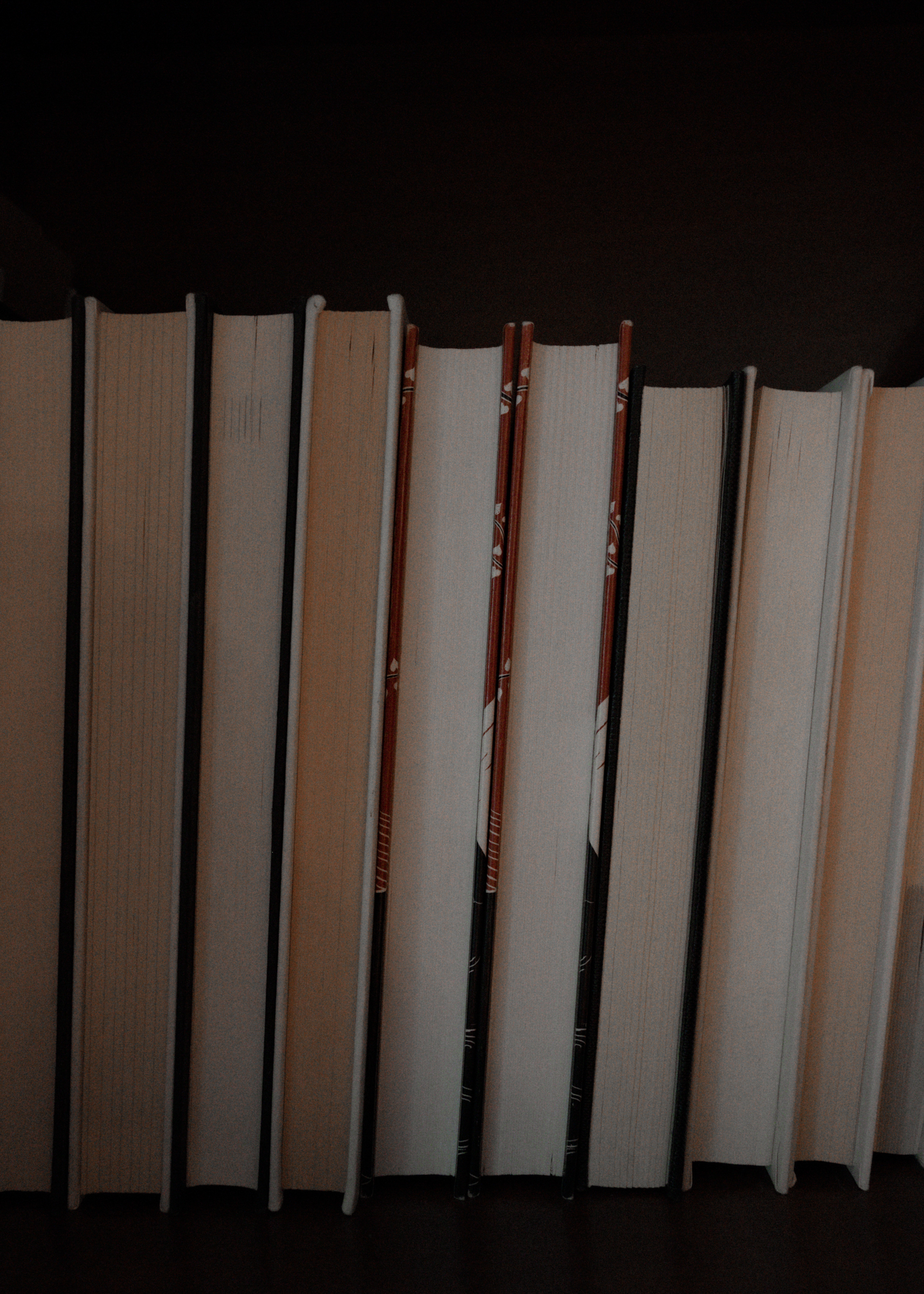
Think about a bookshelf filled with books. There may be hundreds of objects in front of you, but your brain can read them as one organized unit: books on a shelf.
Now imagine twelve unrelated objects scattered across a kitchen island: charging cable, water bottle, receipt, sunglasses, scissors, vitamins, hair tie, unopened package, pen, banana, keys, and one mysterious screw nobody is willing to throw away.
Technically, there are fewer objects.
Visually, there’s much more going on.
Grouping matters. So does empty space. Not because every surface needs to be bare, but because your eyes need places where they aren’t being asked to sort, scan, identify, and decide.
There’s research behind this. Objects sitting in your visual field at the same time compete with one another, and grouping them into something your brain can read as a unit gives it less to sort out.
A room can hold plenty of things and still feel calm. What tends to make it feel chaotic is when everything is asking for equal attention.
Dirt has its own volume knob
Certain kinds of dirt feel louder than others because we experience them with more than our eyes.
Crumbs underfoot. Grease around the stove. A sticky refrigerator handle. Hair collecting along the edge of the bathroom floor. A cloudy mirror. A trash can you can smell before you see it.
These things get our attention because we keep encountering them. We step on them. Touch them. Smell them. See them every time we walk into the room.
Meanwhile, there may be dust sitting on top of a doorframe for weeks without bothering anyone because nobody is looking up there.
That difference matters. A home can be technically dirtier in one place and still feel dirtier somewhere else.
It’s also why cleaning can feel so satisfying even when you haven’t done very much. Sometimes you’ve removed the particular thing your senses kept reporting back to you.
The grit is gone. The handle no longer feels sticky. The bathroom mirror is clear again.
We don’t all hear the same mess
What feels unbearably loud to one person can be almost invisible to someone else.
You may walk into the kitchen and immediately see the dishes in the sink. Someone else sees the recycling overflowing. A third person notices neither but can’t stop looking at the fingerprints on the stainless steel refrigerator.
And then comes one of domestic life’s most enduring questions: How can you not see that?
The answer may be that they really don’t see it the way you do.
After years of walking into other people’s homes, I’ve noticed that people often apologize for things I wouldn’t have thought twice about. Someone will gesture anxiously toward a pile of toys or a stack of papers and explain that the house is a disaster.
Meanwhile, the thing I notice may be completely different.
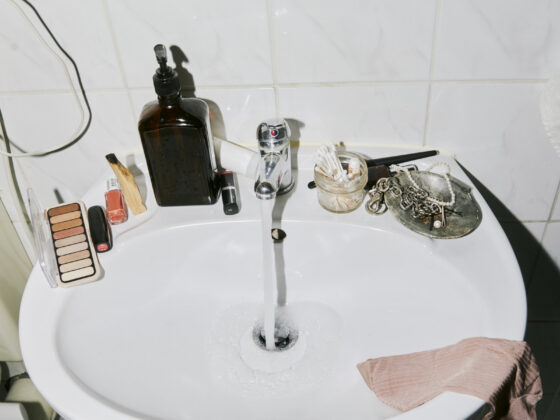
Maybe the kitchen floor feels sticky near the sink. Maybe every surface in the bathroom is occupied, which makes the room harder to use. Maybe there’s so much sitting by the front door that coming and going has become a small logistical exercise.
The homeowner and I can be standing in the exact same room and experiencing two completely different versions of the mess.
That’s worth remembering when you live with other people, because household friction often starts with the assumption that everyone is receiving the same signal.
They aren’t.
Some people are highly sensitive to visual clutter. Some notice smell first. Some can’t stand anything on the floor. Some will happily coexist with paperwork for six months but become deeply agitated by crumbs on the counter.
None of this means one person is right and the other is wrong. It means mess isn’t purely objective.
A room can contain the exact same objects and feel very different depending on who walks into it.
So what’s actually making the noise?
The next time your house feels overwhelmingly messy, it may be worth resisting the urge to look at everything at once.
Instead, notice what keeps pulling your attention back.
Is it the pile you keep walking around? The trash can you can smell from the doorway? The grit under your feet? The chair that has quietly become a satellite closet? The bathroom sink that no longer has enough room for you to actually use it?
Those are clues.
The loudest mess isn’t always the biggest one.
You don’t necessarily need a cleaner house.
You may need a quieter one.