Laundry has a way of spreading.
A basket shows up in the hallway. Towels collect near the washer. Clean clothes land on the bed and may or may not get folded before bedtime. Detergent, stain remover, hangers and unmatched socks somehow find whatever empty surface is available.
I’m getting exhausted just writing about it, though it used to be a lot worse.
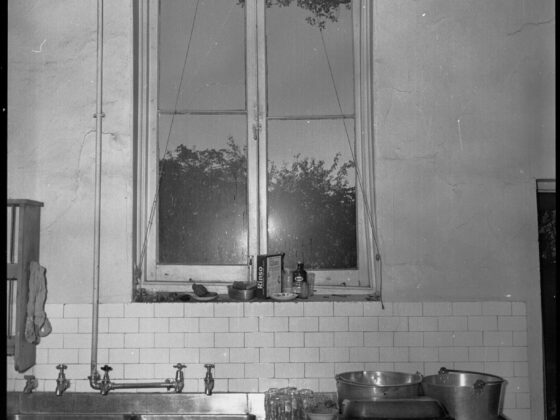
Laundry used to happen wherever the house could accommodate it: the kitchen, the basement, the yard, a washhouse. There was a reason people set aside a washday, and very often it was Monday. “Wash on Monday, iron on Tuesday” was a familiar household rhythm. Heating the water, washing, wringing, drying and ironing could take over a room and most of the day.
Modern equipment changed that. Laundry no longer had to be saved for one enormous weekly washday. It could be done a little at a time.
We traded one exhausting day a week for a little laundry every day.
A job you do once a week can borrow the kitchen for a day. A job you’re doing constantly starts to need somewhere of its own.
For years, washers and dryers were tucked into basements, garages and utility spaces. Now you can find them upstairs, near the bedrooms, where most of the clothes, sheets and towels actually come from.
We didn’t just give laundry a room. We moved the room closer to the laundry.
And once laundry had a room, we started making it nicer. Cabinets. Folding counters. Drying racks that disappear into walls. Utility sinks that don’t look particularly utilitarian. Now there are laundry rooms with wallpaper and dog-washing stations.
All for a room whose basic job is still to deal with dirty socks.
But the cabinets and wallpaper aren’t really the point.
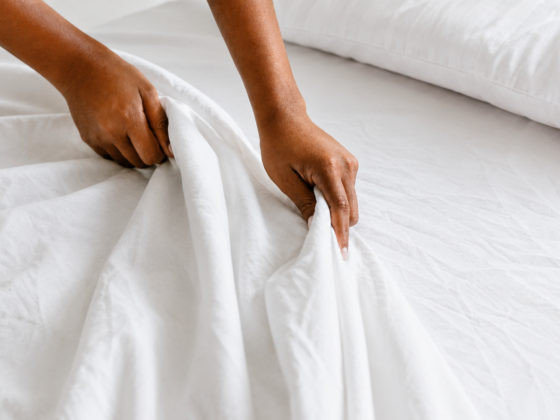
Laundry is rarely finished all at once. There’s the basket waiting to go in, the load in the washer, the load in the dryer, the clean clothes waiting to be folded and the shirt draped over a chair because it’s not quite dirty enough to wash and not quite clean enough to put away.
Without a laundry room, all those stages start wandering through the house. The room gives them one place to be.
The machines made the work easier. The room did something different.
It gave the work a border.